





5 reasons why premium boutiques, stores, and hotels choose the quality of Forest Gorlice
In the premium sector, even the smallest element of wardrobe equipment influences the perception of the entire space. 5★ boutique customers and luxury hotel guests don’t just see quality — they feel it and remember it. That’s why purchasing decisions in the B2B segment are increasingly based not on price, but on: durability, brand cohesion, garment safety, and customer experience.
For nearly 100 years, Forest Gorlice has been supplying wooden hangers that have become part of the infrastructure in the most demanding interiors. Below are the key arguments that drive the choice of premium wood in commercial environments.
1. Clothes in their best possible form
In boutiques and hotels, garment rotation is intense. Every time a coat is lifted from a hanger or a blazer is returned after a fitting, the product is exposed to dynamic load. In such conditions, plastic quickly loses rigidity, causing shoulders of garments to deform, and premium clothing stops looking… premium.
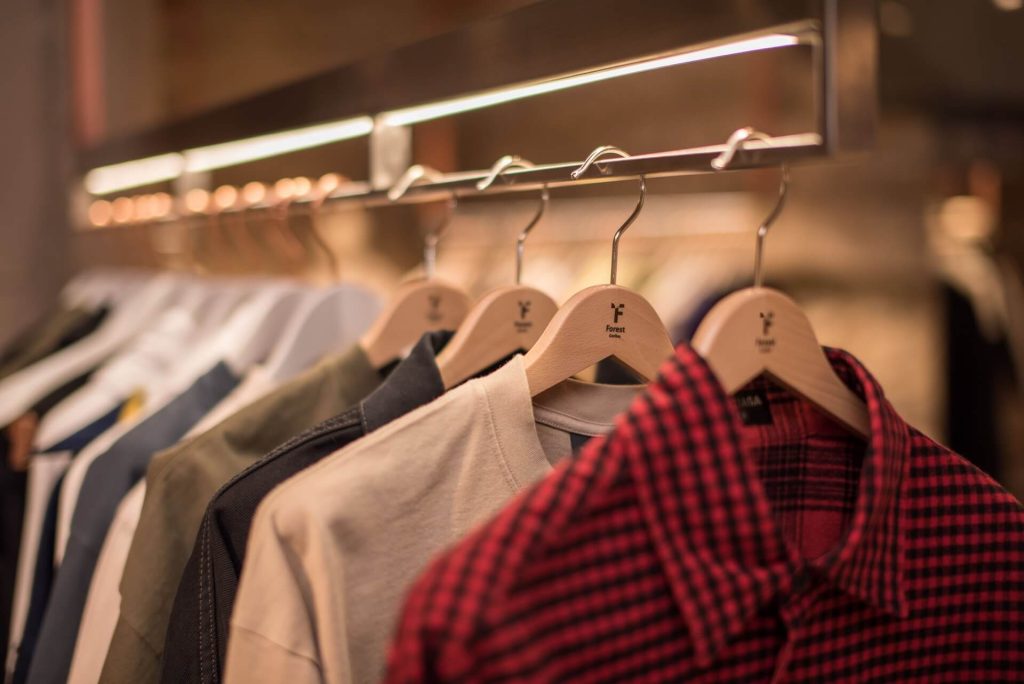
Forest Gorlice wooden hangers feature a stable, wide, anatomically contoured shoulder profile that:
supports the natural line of coats, shirts, blouses, and blazers,
prevents stretching of natural fibers,
and reduces the need for steaming or ironing by 30–40%, which at scale delivers significant time savings.
For boutiques, this means: more sales and less garment preparation between customers.
For hotels: fewer wrinkles reported by guests and higher ratings for room standards.
2. The hanger is part of the brand, even if it never appears in the marketing brief
In premium retail, hangers are a silent brand touchpoint. They may not be featured in campaigns, but they appear:
backstage,
in fitting rooms,
in hotel wardrobes,
and in customer UGC content (photos, stories, travel or shopping vlogs).
A wooden hanger with a logo or cohesive finish makes the brand feel more luxurious in the eyes of the customer.
A consistent wooden hanger communicates: attention to detail, durability, and class.
Thanks to Forest Gorlice personalization options (logo engraving, color, finish), the hanger becomes a signature of the space, not a random accessory.
3. Aesthetic garment presentation = higher sales conversion
Plastic hangers electrify fabrics, attract dust, and fade or matte over time. In commercial spaces, this means garments:
visually “age” faster while on display,
require more frequent cleaning,
and become harder to sell at first contact.
Wood is not only antistatic — it also looks natural and premium, meaning:
garments look fresh on hangers for longer,
wardrobes and hotel spaces stay cleaner,
clothes appear more appealing in product photography and fitting rooms.
The result? Higher sales conversion and fewer adjustments between customers.
4. The hook as jewelry
Forest Gorlice premium hangers include solid hooks in multiple variations, rotating 360°, which:
improve ease of use,
convey respect for the garment, the brand, and the customer,
and enhance the aesthetic and perceived value of displayed clothing.
This small element works like a timeless piece of classic, polished jewelry.
5. ESG starts with decisions that serve longer, not sound louder
In fashion and hospitality, ESG reporting and waste reduction are becoming the norm. The issue? Plastic hangers are among the most frequently replaced and least recyclable accessories.
Wood provides:
a longer replacement cycle,
biodegradability,
and a product that doesn’t break but ages with class, aligning with the idea of sustainable luxury.
Forest Gorlice hangers are an example of a product that can be included in ESG strategies not as a slogan, but as a measurable impact in reducing waste and extending wardrobe accessory lifecycles.
Summary
Forest Gorlice wooden hangers are more than a product. They are a business solution that delivers measurable impact in:
garment condition and appearance,
time needed for clothing and display preparation,
cleanliness of wardrobes and fitting rooms,
perception of space quality,
reduced replacement costs and lower waste output.